Healthcare has changed. Quietly, steadily, and faster than most people expected.
A few years ago, seeing a doctor meant planning your day around traffic, waiting rooms, and delays. Today, many people pause and ask a simple question before booking an appointment: Do I really need to go in? That’s where virtual care steps in.
Still, telehealth isn’t a replacement for everything. And in-person care hasn’t lost its value either. The real question isn’t which is better, but which is better for you—right now.
Let’s break it down honestly.
Convenience Isn’t a Small Thing Anymore
Virtual care wins here. And it wins clearly.
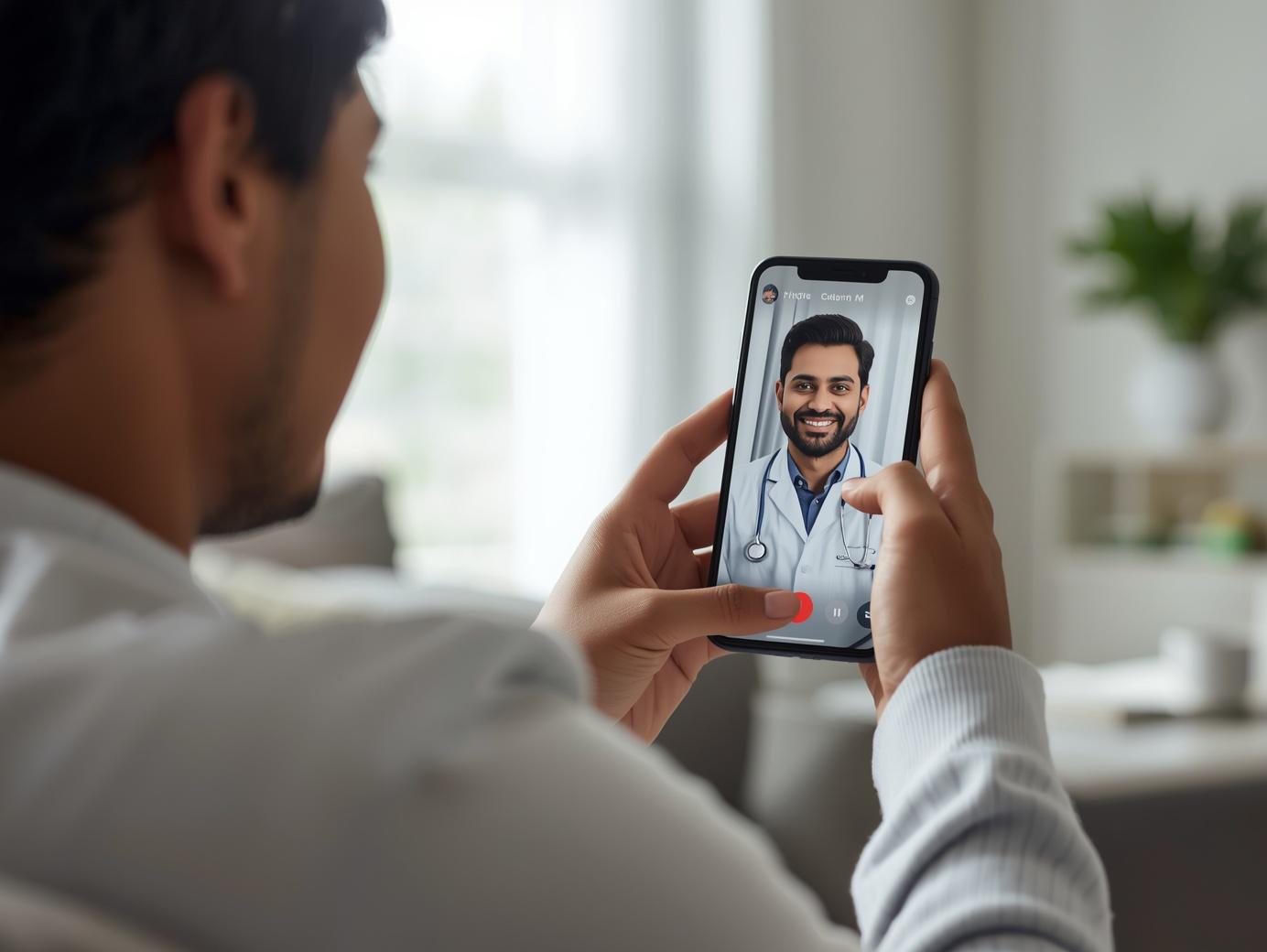
With an online consultation, there’s no travel, no parking stress, and no rearranging half your day. You can speak to a doctor from your living room, office, or even while traveling. For people juggling work, family, and unpredictable schedules, this matters more than ever.
In-person visits demand time. Not just the appointment itself, but everything around it. That doesn’t make them bad—it just makes them harder to fit into modern life.
For routine concerns, follow-ups, or quick medical advice, convenience alone is often reason enough to choose virtual care.
Speed: When Time Actually Matters
Most online consultations start on time. Sometimes early.
You book. You log in. You speak to a doctor. Simple.
That speed makes virtual care ideal for things like flu symptoms, skin concerns, medication questions, or ongoing condition check-ins. There’s no sitting in a waiting room wondering how long it will take.
Clinic visits can be slower. Not always—but often. And when you’re already unwell, waiting feels heavier than it should.
That said, slower doesn’t mean worse. It usually means the doctor has more tools at hand.
What Each Option Is Best At
This is where clarity matters.
Virtual care works well for:
- Mild illnesses
- Chronic condition monitoring
- Mental health support
- Prescription renewals
- Nutrition and lifestyle guidance
But it has limits. A doctor can’t listen to your lungs properly or draw blood through a screen.
In-person visits shine when:
- Physical exams are required
- Tests or scans are needed
- Vaccinations or procedures are involved
- Symptoms are unclear or severe
Think of virtual care as a strong first step—not always the final one.
Safety and Exposure Concerns
One thing many people don’t talk about enough is exposure risk.
Clinics are safe, yes. But they’re also shared spaces. During flu season or outbreaks, that matters—especially for seniors, children, or people with weak immunity.
Virtual consultations remove that risk entirely. You stay home. You stay comfortable. You still get care.
For many families, that peace of mind alone has made telehealth a regular choice.
Cost Isn’t Just About the Bill
On paper, online consultations are usually cheaper. But the real savings go beyond the consultation fee.
There’s no travel cost. No parking. No missed work hours. No childcare juggling.
In-person care may cost more, but it also covers services virtual care can’t. Many insurance plans still prefer clinics for diagnostics and procedures.
So the smarter approach isn’t choosing one forever—but choosing wisely each time.
Human Connection: Does Virtual Feel Distant?
Some people worry about this. And honestly, it depends.
Face-to-face visits allow for body language, physical presence, and that traditional doctor-patient comfort. For sensitive topics, many still prefer sitting across from someone.
But virtual care has improved a lot. Video quality is better. Doctors are trained to communicate clearly on screen. And for many patients, being at home actually makes conversations easier—not harder.
Comfort changes the way people talk. And that can improve care.
Technology Isn’t Always Perfect
Virtual care needs a stable internet connection and a basic device. When tech fails, it’s frustrating.
That’s the trade-off.
In-person visits don’t rely on apps or logins. But they do rely on physical access, which isn’t always easy for elderly patients, people with mobility issues, or those living far from clinics.
Neither option is flawless. They solve different problems.
Follow-Ups and Ongoing Care
This is where virtual care quietly excels.
Regular check-ins become simple. You don’t postpone care because it’s “too much effort.” You stay consistent. That consistency matters more than most people realize—especially for chronic conditions.
In-person follow-ups still matter when physical checks are needed. But for progress reviews, symptom updates, or treatment adjustments, virtual visits feel lighter and more manageable.
Emergencies Are Still Emergencies
No confusion here.
Chest pain, serious injuries, severe reactions—these need immediate, in-person medical care. Virtual doctors can guide you, but they’re not a replacement for emergency services.
Telehealth supports healthcare. It doesn’t replace hospitals.
So… Which One Should You Choose?
The honest answer?
Both.
Virtual care fits modern life. It’s fast, flexible, and practical. In-person care remains essential for deeper medical needs.
When you understand what each does best, you stop choosing between them—and start using them together.
That’s not the future of healthcare. That’s already happening.