I used to ignore headaches.
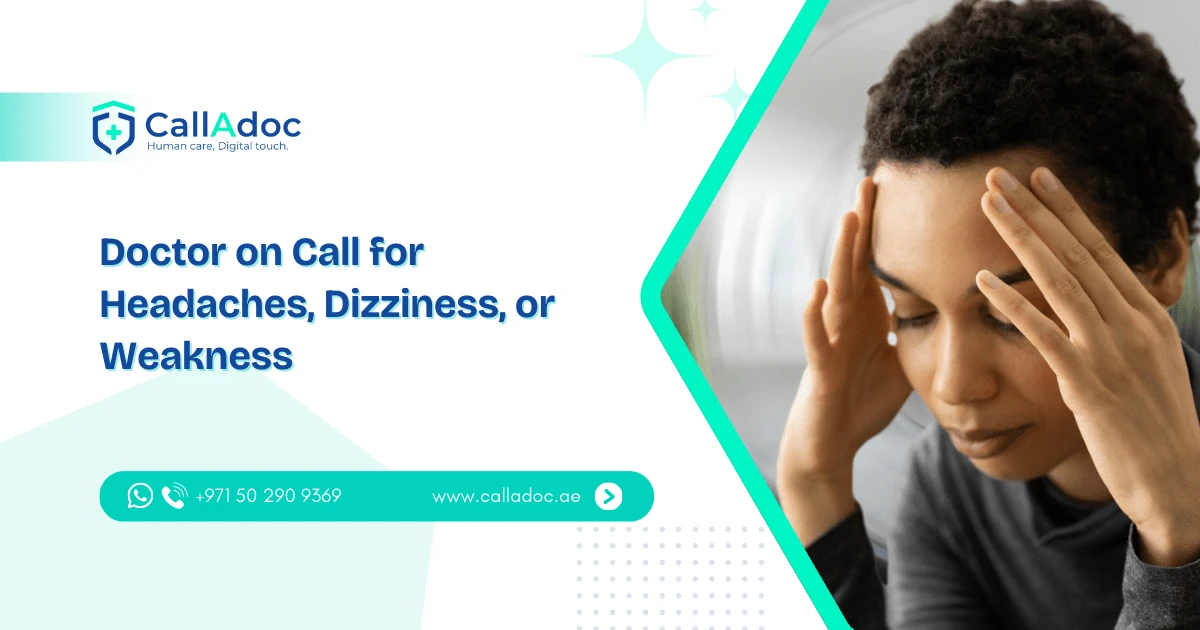
Not the dramatic kind. The quiet ones. The dull pressure that sits behind your eyes while you keep working. Dizziness too. That brief moment when you stand up and the room feels slightly off. And weakness—nothing obvious, just that strange heaviness where even simple tasks feel harder than they should.
I told myself it was stress. Or sleep. Or dehydration. There was always a reason to brush it aside.
But over time, I realised something uncomfortable. These symptoms weren’t loud enough to feel like emergencies, yet persistent enough to disturb everyday life. And that grey area is exactly where most people get stuck.
The Problem with “It’s Probably Nothing”
Headaches, dizziness, and weakness are tricky. They don’t always point to one clear cause. Sometimes they really are harmless. Sometimes they’re early signs of something that needs attention.
The problem isn’t the symptom.
It’s the uncertainty.
You don’t want to rush to a hospital for a headache. But you also don’t want to ignore something that keeps coming back. That constant back-and-forth in your head can be more draining than the symptom itself.
That’s the space where having a doctor on call actually helps.
What Changes When You Speak to a Doctor Early
The first time I spoke to a doctor online for a recurring headache, I expected a quick answer and a prescription. What I got instead was a calm conversation.
The doctor asked about timing. Triggers. Sleep. Screen time. Stress. Diet. Hydration. Even things I hadn’t connected to the symptom at all.
It didn’t feel rushed. It didn’t feel dismissive. And for the first time, I felt like the symptom was being understood in context, not isolation.
Sometimes, the reassurance itself is treatment.
Dizziness and Weakness Aren’t Always “Just Fatigue”
I’ve learned that dizziness and weakness are often misunderstood. They can come from simple things—low fluids, poor sleep, skipped meals. But they can also be linked to blood pressure changes, nutritional deficiencies, infections, or stress that’s been ignored for too long.
What makes it harder is that these symptoms often come and go. On good days, you forget about them. On bad days, you start worrying.
Having a doctor on call means you don’t have to wait for a “bad enough” day to seek advice. You can talk it through when the symptom is still manageable.
Being at Home Changes the Conversation
There’s something different about speaking to a doctor from home.
You’re not surrounded by people. You’re not watching the clock. You’re not wondering if you’re wasting someone’s time.
You explain things better. You remember details. You feel less pressure to downplay what you’re feeling.
That comfort leads to clearer answers. And clearer answers lead to faster decisions—whether that’s rest, medication, lifestyle changes, or a recommendation for in-person evaluation.
Why “Doctor on Call” Matters for These Symptoms
Headaches, dizziness, and weakness don’t usually demand emergency care. But they do demand attention.
A doctor on call helps you:
- Understand whether symptoms are likely temporary or worth investigating
- Decide if medication is needed or not
- Identify patterns you may have missed
- Know when it’s time to escalate care instead of guessing
Most importantly, it removes the habit of ignoring your body simply because symptoms feel inconvenient.
Not Every Answer Is a Pill
One thing I appreciate about speaking to doctors early is that the solution isn’t always medication. Sometimes it’s hydration. Sometimes it’s sleep. Sometimes it’s stress management. Sometimes it’s correcting a routine that’s quietly working against you.
And sometimes, yes, it’s a prescription or further tests.
The difference is that you’re no longer making those decisions alone.
When CallAdoc Fits Into This Picture
With CallAdoc, having a doctor on call means access without pressure. You don’t have to plan a day around a visit or wait until symptoms become unbearable.
You speak to a licensed doctor when something feels off. They listen. They ask the right questions. They help you understand what’s happening instead of leaving you to overthink it.
That kind of support doesn’t just treat symptoms. It builds confidence in how you manage your health.
A Thought I Keep Coming Back To
Most health problems don’t start big.
They start quietly.
A headache you ignore.
A dizzy spell you brush off.
A weakness you blame on a long day.
Having a doctor on call doesn’t mean you panic early. It means you listen earlier.
And sometimes, that makes all the difference.
Talk to a doctor when symptoms start feeling confusing instead of waiting for them to feel serious.