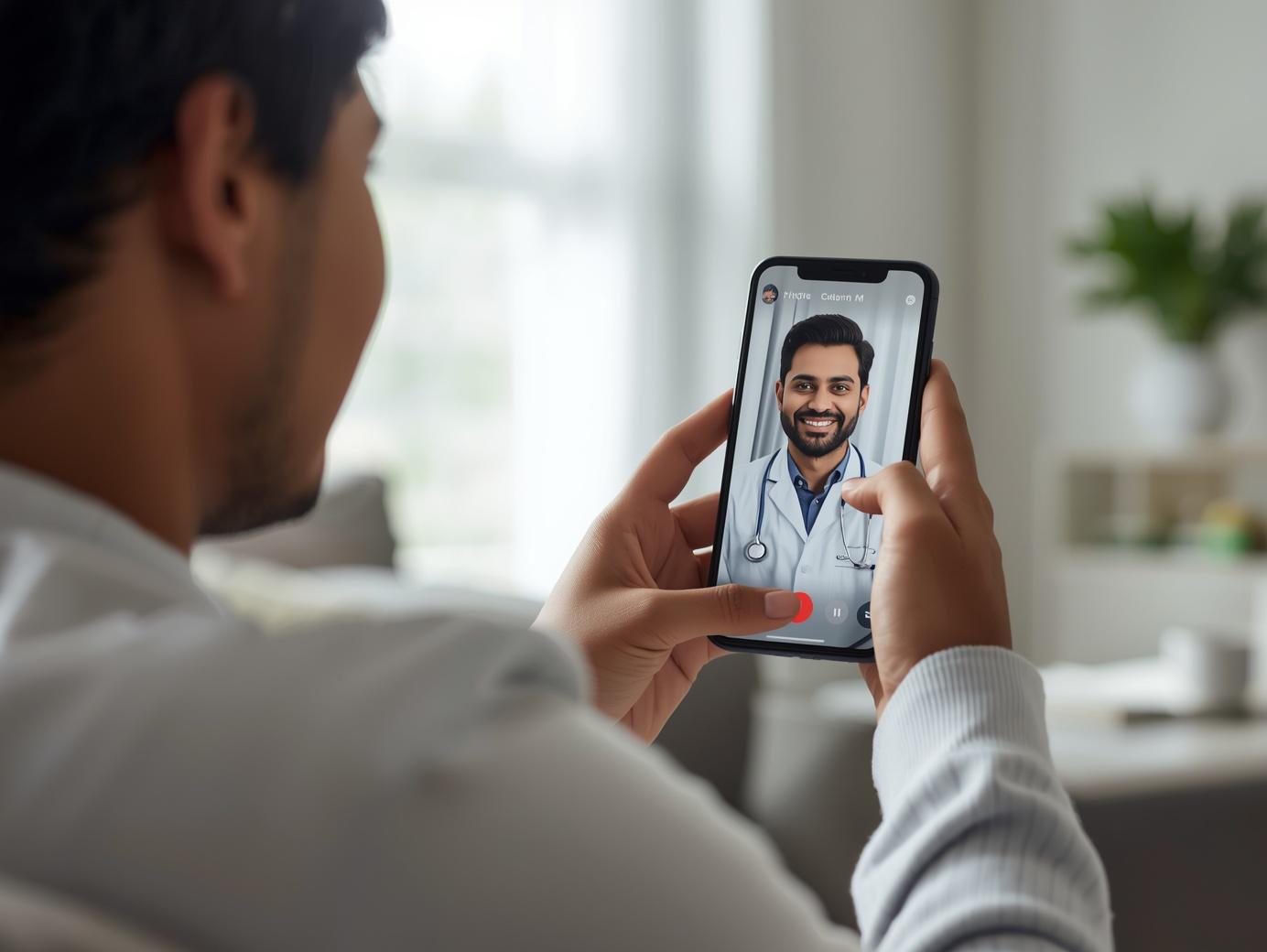
The first time I spoke to a doctor online, it wasn’t planned.
It was late. Clinics were closed. A symptom had been bothering me all evening. Not serious enough to panic—but serious enough to keep me awake. I didn’t want guesses. I wanted clarity.
So I clicked “consult now.”
What happened next changed how I think about healthcare.
It Starts with a Simple Question, Not a Hospital Visit
Most online consultations begin the same way. Someone feels off. A fever that won’t settle. A rash that appeared suddenly. A headache that feels different this time. Or just a report full of numbers that don’t make sense.
Instant online consultations exist for these exact moments. They’re not about replacing hospitals. They’re about answering the question most people have first:
“Do I need to worry—or not?”
That first answer matters more than we realize.
What “Instant” Actually Means
Instant doesn’t mean rushed.
It means accessible.
When you request an online consultation, you’re connected to a licensed doctor without waiting days for an appointment. The doctor reviews your concern, asks focused questions, and listens—properly.
The conversation usually covers:
- When the symptom started
- How it feels now
- What makes it better or worse
- Any existing conditions or medications
If it’s a video or phone call, the doctor may ask to see visible symptoms or guide you through basic checks. The goal is understanding, not speed for the sake of speed.
Why These Consultations Feel Different from Clinic Visits
One thing surprised me. I felt calmer.
No waiting rooms.
No background noise.
No feeling rushed because others are waiting.
Speaking from home changes the tone. People talk more openly. They remember details they might forget in a clinic. Doctors notice this too. Better conversations lead to better advice.
That calm environment is one of the biggest strengths of online care.
What Doctors Can Do During an Online Consultation
A common misconception is that online doctors can only give general advice. That’s not true.
During an instant consultation, a doctor can:
- Assess symptoms and likely causes
- Guide home care and recovery
- Prescribe medication when appropriate
- Review lab reports or readings
- Advise whether in-person care is needed
Sometimes the result is treatment.
Sometimes it’s reassurance.
Both are valuable.
In fact, reassurance at the right moment often prevents unnecessary panic-driven hospital visits.
When Instant Online Consultations Work Best
From real-world use, online consultations are especially helpful for sudden but non-emergency symptoms, follow-ups for chronic conditions, medication questions, report reviews, and mental health concerns.
They’re also ideal when timing is inconvenient—late nights, busy workdays, or while traveling. Health doesn’t follow office hours, and neither should medical advice.
Knowing the Limits Is Part of Good Care
Online doctors are trained to recognize red flags.
If symptoms suggest an emergency—severe chest pain, breathing difficulty, sudden weakness, heavy bleeding—the doctor will clearly direct you to immediate in-person care.
This honesty is important. Online consultations work best when used as a first step, not the final step in serious cases.
Why People Keep Coming Back to Online Care
After using instant online consultations once, many people don’t go back to guessing or delaying care.
They ask earlier.
They clarify doubts.
They avoid unnecessary clinic visits.
Doctors see this shift too. Patients become more informed and proactive. Healthcare becomes something you engage with—not something you avoid until things get worse.
The Bigger Change Happening in Healthcare
Instant online consultations aren’t just a convenience feature. They’re a response to how people live now.
Workdays are full. Families are busy. Travel is common. Waiting hours for basic advice no longer makes sense.
Virtual care brings healthcare closer to real life. Not perfect. Not suitable for everything. But incredibly effective when used correctly.
Final Thought
Most health decisions don’t start with emergencies. They start with uncertainty.
Speaking to a doctor instantly doesn’t replace clinics or hospitals. It replaces guessing, panic, and unnecessary waiting.
And sometimes, that first calm conversation is all it takes to feel back in control of your health.