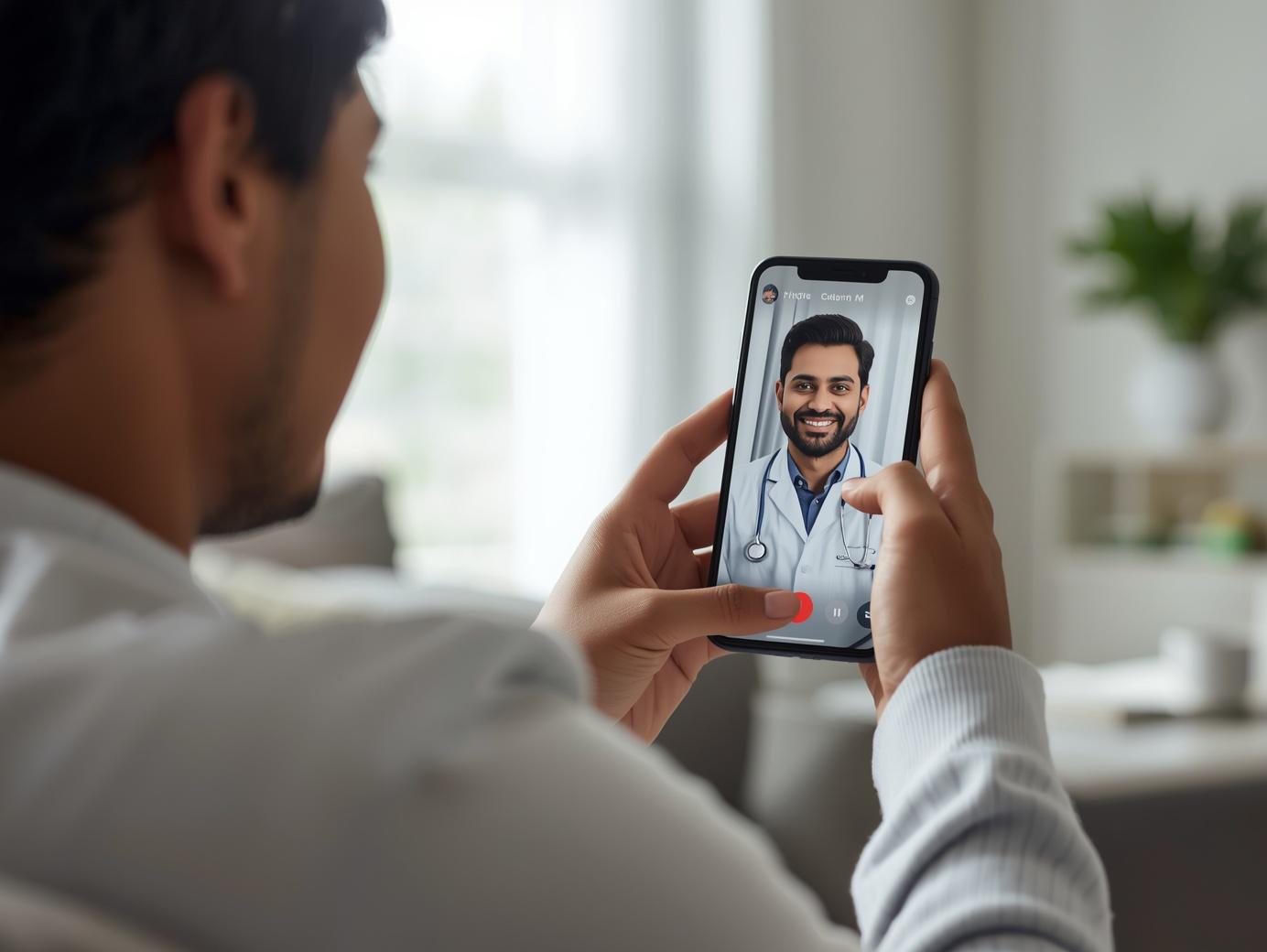
The first time I spoke to a doctor on a video call, I wasn’t trying to be modern or tech-savvy. I was simply tired. Tired of waiting rooms. Tired of rearranging my entire day for a ten-minute consultation. And honestly, a little tired of explaining the same problem again and again in noisy clinics where privacy feels optional.
What I wanted was simple. A qualified doctor. A calm conversation. And the confidence that what I shared would stay between us.
That’s when video consultations started to make sense.
Why Privacy Matters More Than We Realise
Healthcare is personal. Deeply personal.
Whether you’re talking about anxiety, sleep problems, skin issues, hormonal changes, or even something as common as stomach pain, there’s always a part of you that hesitates in a public setting. People around. Doors opening. Conversations half-heard.
A video consultation removes that pressure.
You’re in your own space. A room you trust. You speak freely because no one is listening in. Doctors notice this too. Patients open up more. They explain symptoms better. They ask questions they usually keep to themselves.
Privacy isn’t just about data protection. It’s about emotional comfort. And that comfort changes the quality of care.
What Actually Happens During a Video Consultation
There’s a myth that video consultations are rushed or superficial. In reality, the opposite is often true.
A video consultation usually starts with a simple conversation. The doctor asks what brought you in, when the symptoms began, and how they’re affecting your day. Because there’s no physical rush, the discussion flows naturally.
If needed, you can show visible symptoms. A rash. Swelling. Redness. Even posture or movement issues. The doctor observes, listens, and connects patterns—just like in a clinic, minus the distractions.
Reports, prescriptions, and past records can be discussed calmly. Nothing feels hurried.
Safety Isn’t Compromised—It’s Refined
One concern people often raise is safety. Can a doctor really make safe decisions over video?
The answer lies in how doctors are trained.
Doctors don’t rely only on physical exams. They rely on history, symptoms, progression, and warning signs. A good video consultation focuses heavily on these elements.
When something feels manageable, doctors guide home care or prescribe medication appropriately. When something doesn’t feel right, they are clear and direct about the need for in-person evaluation.
Safety doesn’t come from location. It comes from judgment.
And responsible doctors never hesitate to say, “This needs to be seen in person.”
Conditions That Work Well on Video
From real-world use, video consultations are especially effective for:
- Fever, cold, cough, and infections
- Skin concerns and allergies
- Digestive issues
- Headaches and body pain
- Chronic condition follow-ups
- Mental health concerns like stress, anxiety, or burnout
These are situations where conversation, observation, and guidance matter more than machines.
Video allows doctors to assess not just symptoms, but how you’re coping overall.
The Comfort Factor Changes Everything
One thing that surprised me personally was how relaxed I felt.
No waiting rooms.
No background noise.
No pressure to wrap things up quickly.
Doctors often say patients on video calls are more focused and honest. They remember timelines better. They describe pain more accurately. That leads to clearer decisions.
Comfort isn’t a luxury in healthcare. It’s a tool.
Security Isn’t an Afterthought
Beyond emotional privacy, digital security matters too.
Good telehealth platforms are built with encrypted systems that protect patient information, consultation records, and prescriptions. Your conversation stays between you and your doctor—just like it should.
This combination of digital security and personal privacy makes video consultations especially suitable for sensitive health concerns.
When Video Care Is Not the Right Choice
Video consultations are powerful, but they’re not for everything.
Severe chest pain.
Breathing difficulty.
Heavy bleeding.
Sudden weakness or confusion.
These always require immediate in-person care.
A responsible video consultation doesn’t delay emergencies. It redirects them appropriately. That clarity is part of safe care.
Why More People Are Choosing Video Consultations
Once people experience video consultations, many don’t see healthcare the same way again.
They stop delaying care.
They stop self-diagnosing online.
They seek advice earlier.
Doctors notice this shift too. Early conversations often prevent complications later. That’s better for patients and the healthcare system as a whole.
Final Thoughts
Consulting a doctor on video isn’t about avoiding clinics. It’s about choosing the right level of care at the right time.
When you need professional guidance, privacy, and safety—without disrupting your life—a video consultation offers a balanced, thoughtful alternative.
It brings healthcare back to what it should always be: a focused conversation between a doctor and a patient, built on trust.