For a long time, I treated healthcare like something that needed a free day. Or at least half of one. You had to plan around it. Rearrange work. Cancel something else. Sit in traffic. Sit in waiting rooms. And then, sometimes, walk out thinking, That could’ve been quicker.
So I delayed things.
Not because I didn’t care about my health, but because fitting care into life felt harder than it should.
That changed the first time I tried an online consultation. Not because it felt futuristic or impressive. But because it felt… normal. Like healthcare finally understood how people actually live.
Health Doesn’t Follow a Calendar
Most symptoms don’t wait for weekends or clinic hours. They show up between meetings. Late at night. While you’re traveling. Or right when everything else needs your attention.
A headache that starts during work.
A fever that shows up after dinner.
A stomach issue that keeps nagging but never feels urgent enough to rush out for.
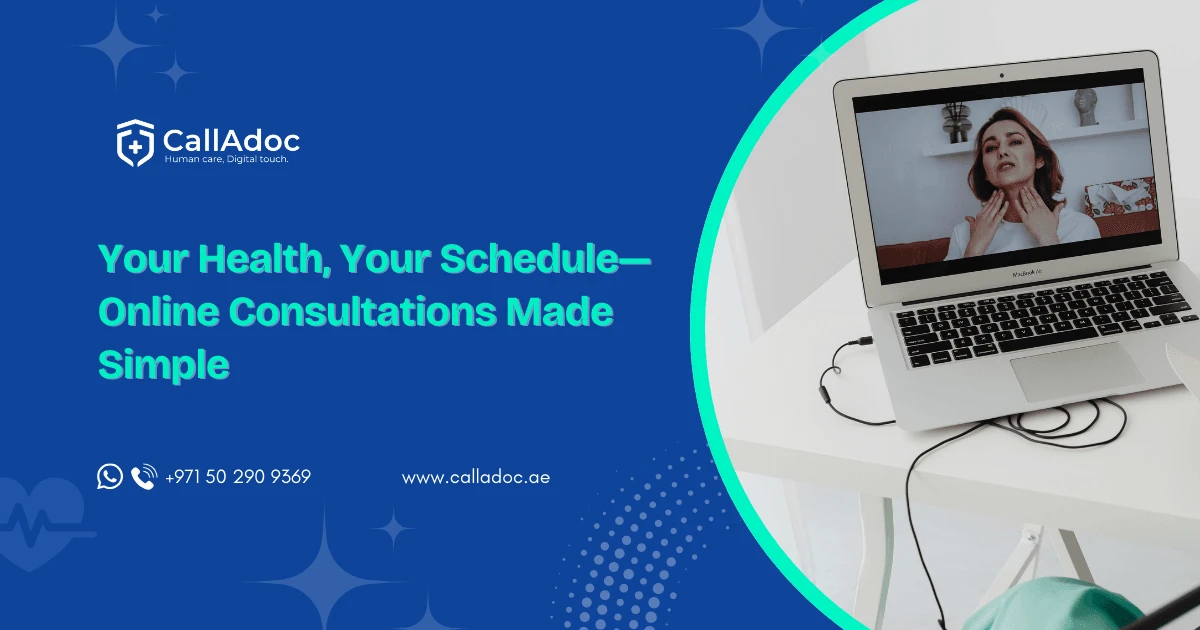
Traditional healthcare expects you to pause life to get help. Online consultations flip that around. They fit into the gaps instead of demanding a full stop.
And once you experience that, it’s hard to go back.
Why Simplicity Matters More Than Speed
People often talk about online consultations as being “fast.” And yes, they are. But speed isn’t the real advantage.
Simplicity is.
No travel.
No paperwork at the counter.
No waiting while feeling uncomfortable.
You open your device. You talk. You explain what’s going on. And someone qualified listens.
That lack of friction changes behavior. People seek help earlier. They ask questions they would’ve ignored. They stop guessing and start understanding.
Being in Control Changes the Conversation
One thing I noticed quickly was how different I felt during online consultations.
I wasn’t watching the clock.
I wasn’t worried about people waiting outside.
I wasn’t downplaying symptoms to seem “not dramatic.”
Being at home does that. It makes you honest.
You remember details. You explain things better. You don’t rush through discomfort just to be done. And doctors notice that. They ask deeper questions. They connect dots faster.
It becomes a real conversation instead of a rushed exchange.
Healthcare That Adapts to Your Routine
Online consultations work especially well for people whose schedules don’t behave.
Professionals with unpredictable work hours.
Parents managing school runs and sick days.
Seniors who find travel tiring.
People who travel often or work remotely.
In these cases, healthcare stops being something you fit in someday and becomes something you can access when it actually matters.
And that consistency adds up over time.
It’s Not About Avoiding Clinics
I want to be clear about this.
Online consultations don’t replace clinics or hospitals. And they shouldn’t. There are moments when physical exams, tests, or emergency care are essential.
But many health concerns live in that space before things escalate. The “something feels off” stage. The “should I be worried?” stage.
That’s where online care is at its best.
Doctors help you decide whether to monitor, treat, or escalate. And that decision, made calmly and early, often prevents unnecessary stress later.
What Makes Online Care Feel Trustworthy
Trust builds slowly. And it’s not about technology.
It’s about:
- Doctors who listen without rushing
- Clear explanations without jargon
- Guidance that feels tailored, not scripted
Over time, online consultations stopped feeling like a backup option. They became part of how I manage health decisions. One of the tools I reach for when something doesn’t feel right.
And having that option available reduces a lot of quiet anxiety.
Where CallAdoc Fits In
With CallAdoc, the idea of “your schedule” actually means something.
Consultations happen when symptoms appear, not when it’s convenient for a clinic. Conversations are private. Doctors take time to understand what’s going on instead of pushing quick answers.
Prescriptions, follow-ups, and next steps happen smoothly. No extra effort. No confusion about what to do next.
It feels less like navigating a system and more like having support available when you need it.
A Shift I Didn’t Expect
What surprised me most wasn’t the convenience.
It was how much calmer health decisions became.
When you know help is available without disruption, you stop delaying. You stop overthinking. You stop pushing through things that deserve attention.
Healthcare becomes part of life instead of an interruption to it.
And that’s a shift more people are quietly making.
If you want healthcare that fits your day instead of controlling it, speak to a licensed doctor online with CallAdoc when it suits you.