
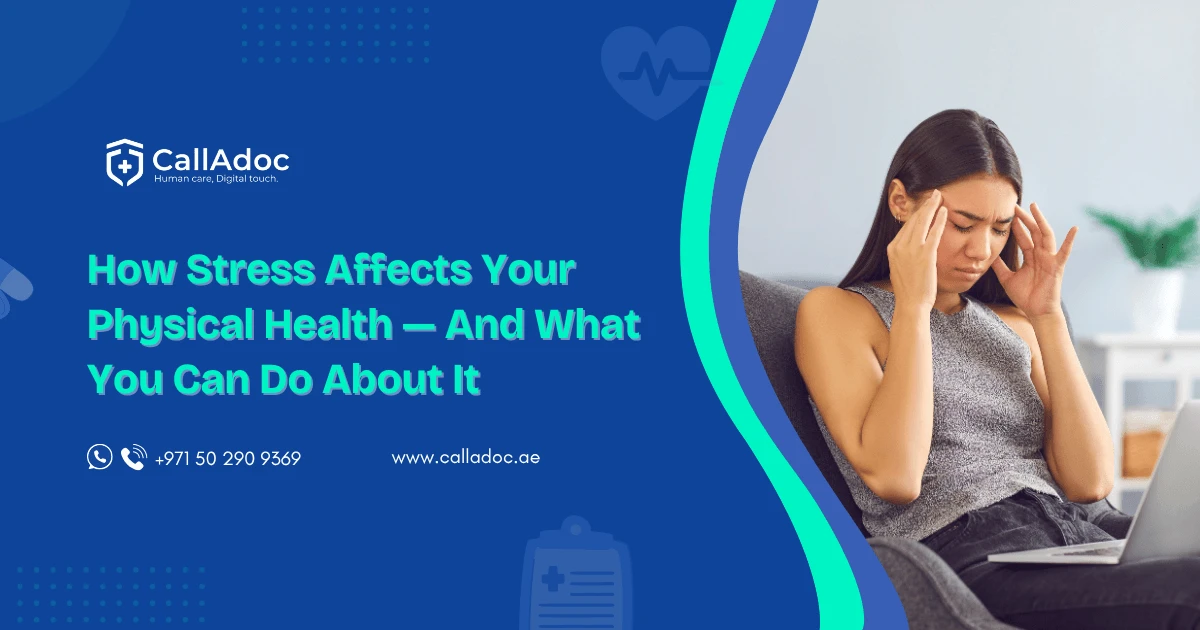
I never thought of myself as a “stressed person.”
I was busy, yes. Always juggling work, family, deadlines, expectations. But stressed? That felt like a strong word. Stress, in my head, was something dramatic. Panic attacks. Burnouts. People who couldn’t cope.
That wasn’t me. Or so I thought.
The signs didn’t come all at once. They came quietly. Small enough to ignore.
I started waking up tired, even after sleeping for seven hours. My neck and shoulders felt tight most mornings. I caught colds more often. My stomach felt unpredictable. Some days I was hungry all the time. Other days, food didn’t interest me at all.
I blamed everything except stress.
When the Body Starts Speaking Louder Than the Mind
The first thing that really scared me wasn’t anxiety. It was my body.
My heart would race for no clear reason. Not panic. Just this steady, uncomfortable awareness of my heartbeat. During routine checkups, my blood pressure was “slightly high.” Nothing alarming. But it stayed that way.
Then came the digestion issues. Bloating. Acidity. A strange heaviness after meals. I changed foods, skipped meals, tried eating “cleaner.” Some days it helped. Some days it didn’t.
Sleep was another problem. I’d lie down exhausted, but my mind refused to slow down. Not racing thoughts exactly. Just… noise. Lists. Conversations replaying. Tomorrow’s worries.
That’s when it hit me.
My body was tired of carrying what my mind kept pushing aside.
Stress Isn’t Loud. It’s Persistent.
What I learned later is that stress doesn’t always feel like pressure. Sometimes it feels like tension that never leaves.
Your body stays alert even when nothing is wrong. Muscles stay tight. Breathing stays shallow. Hormones like cortisol keep circulating, telling your system to stay ready.
Ready for what?
Nothing in particular.
That constant “on” state slowly affects everything. Heart rate. Immunity. Digestion. Sleep. Skin. Energy.
And the worst part? You start thinking this is just how life feels now.
The Physical Symptoms I Couldn’t Ignore Anymore
Over time, the list grew longer.
- Frequent headaches that came without warning
- Back and shoulder pain that never fully went away
- Brain fog that made simple decisions feel harder
- Weight changes that didn’t match my eating habits
- Skin breakouts during stressful weeks
None of these felt serious on their own. Together, they were exhausting.
That’s when I stopped asking, “What’s wrong with my body?”
And started asking, “What has my body been dealing with for too long?”
Talking Helped More Than I Expected
I didn’t jump into therapy immediately. Honestly, I hesitated. I told myself others had it worse. That I should manage on my own.
But once I finally spoke to a psychologist, something shifted.
Not because they gave me instant solutions.
But because someone helped me connect the dots.
The way I worked. The way I never truly rested. The way I carried responsibility without releasing it. None of it was dramatic. But it was constant.
That constant pressure was showing up physically.
Through virtual sessions, I learned simple things. How to slow my breathing. How to notice tension before it turned into pain. How to stop treating rest like a reward.
Small Changes That Actually Made a Difference
What surprised me most was how basic some of the solutions were.
Movement helped. Not intense workouts. Just walking regularly. Stretching. Letting my body release stored tension.
Food mattered too. Skipping meals or living on caffeine made stress worse, not better. Balanced meals stabilized my energy and mood more than I expected.
Sleep became non-negotiable. I stopped scrolling at night. Kept a routine. Didn’t aim for “perfect sleep,” just better sleep.
And mindfulness? I used to roll my eyes at it. Now I understand it’s not about emptying your mind. It’s about giving your nervous system a break.
Why I Chose Online Support
What made this journey sustainable was accessibility.
With CallADoc, I didn’t have to rearrange my life to get help. I spoke to professionals from home. Privately. Without the pressure of clinic visits or long waits.
The support wasn’t rushed. And it didn’t feel clinical. It felt human.
Psychologists, doctors, and even dietitians worked together — because stress doesn’t affect just one part of the body. It affects everything.
What I Wish I Had Known Earlier
I wish I had understood this sooner:
Stress doesn’t need to feel overwhelming to be harmful.
And taking care of your mental health isn’t separate from physical health.
If your body feels off and you can’t explain why, it’s not weakness. It’s communication.
Listening earlier would have saved me months of discomfort.
One Honest Question Before You Go
If your body has been asking for rest, attention, or help…
how long are you planning to ignore it?
Because I learned the hard way —
stress doesn’t disappear when you push through it.
It waits, And then it shows up in your body.
📞 Speak to a psychologist today with CallAdoc and start feeling better.