
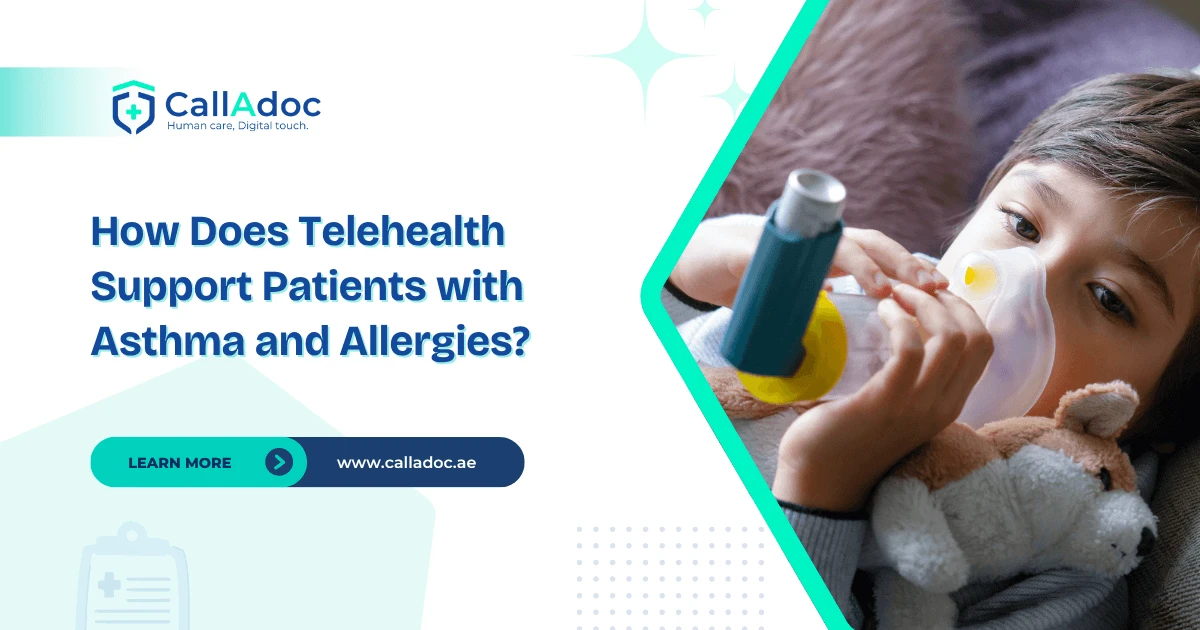
If you live with asthma or allergies, you already know this truth: it’s not the big attacks that drain you the most. It’s the constant vigilance. The checking. The second-guessing. The “Is this wheeze serious or just today’s weather?” feeling that follows you around.
In Dubai, that feeling often comes with another layer—traffic, clinic queues, crowded waiting rooms, and air that doesn’t always play nice with sensitive lungs. Over time, many patients stop going for routine follow-ups simply because it feels like too much effort for “just a small issue.”
That’s where telehealth quietly fits in. Not as a replacement for hospitals. Not as a flashy tech trend. But as a practical tool that makes day-to-day management easier.
Care Without the Exhaustion
Asthma and allergies don’t always announce themselves dramatically. Sometimes it’s a tight chest that lingers for days. Sometimes it’s allergies that never fully go away. Traditionally, even small concerns meant planning half a day around a clinic visit.
With telehealth, that changes.
Patients can speak to a doctor while sitting in their living room. Or during a lunch break. Or early in the morning before the day starts. That convenience matters more than people admit. When access becomes easy, patients stop delaying care. They ask questions sooner. And small issues stay small.
Conversations That Actually Matter
One thing patients often say after online consultations is this:
“I felt heard.”
That’s not accidental.
Virtual consultations tend to be calmer. No crowded reception. No rushed atmosphere. Doctors spend time listening instead of juggling ten patients outside the door. Patients explain patterns they’ve noticed—night-time coughing, symptoms after cleaning, breathing trouble during stress.
Those details matter. They help doctors understand what’s really happening, not just what appears on a prescription pad.
Asthma and Allergies Aren’t One-Size-Fits-All
And telehealth makes that clear
Two people can have asthma and live very different realities. One struggles during exercise. Another reacts to dust. One manages fine most days but panics during flare-ups.
Online consultations give space to discuss lifestyle, not just symptoms. Doctors talk about:
- How work schedules affect medication timing
- Environmental triggers at home
- Sleep quality
- Stress and anxiety around breathing issues
This leads to treatment plans that feel realistic. Not perfect on paper, but workable in real life.
Medication Without the Runaround
Anyone who depends on inhalers or allergy medication knows how stressful refills can be. Running low creates anxiety. Delays can trigger flare-ups. Telehealth removes much of that friction.
Doctors review medications, adjust doses when needed, and renew prescriptions without forcing patients into unnecessary visits. That continuity keeps symptoms stable and patients confident.
It’s not dramatic. It’s just… smoother. And that’s exactly what chronic care should be.
Learning Triggers Takes Time — And Talk
Managing asthma and allergies is as much about learning as it is about treatment. Patients often don’t realise how many small things add up—dusty shelves, strong scents, humidity, stress, even sleep patterns.
During virtual consultations, doctors explain these connections patiently. Not in rushed bullet points, but through conversation. Over time, patients start noticing patterns themselves. They adjust habits. They prevent flare-ups instead of reacting to them.
That shift—from reactive to proactive—is huge.
Staying Safe by Staying Home
For allergy and asthma patients, clinics can sometimes make symptoms worse. Strong cleaning chemicals. Perfumes. Crowded rooms. Seasonal allergens.
Telehealth eliminates those exposures completely. Patients receive care in an environment they control. That safety is especially valuable during high-pollen seasons or when air quality dips.
It’s a small change with a big impact.
Support When Symptoms Feel “Not Serious Enough”
One common problem asthma patients face is hesitation. Symptoms don’t feel severe enough for emergency care, but they also don’t feel normal. Telehealth fills that gap.
Doctors can guide patients through mild flare-ups, explain whether symptoms are concerning, and advise on next steps. Sometimes reassurance is enough. Sometimes early adjustments prevent bigger problems later.
Either way, patients don’t feel alone with their symptoms.
Follow-Ups That Actually Happen
Let’s be honest. Many people skip follow-ups—not because they don’t care, but because life gets busy. Telehealth removes that barrier. Short, simple check-ins help doctors monitor progress and tweak plans over time.
These regular touchpoints build trust. And trust leads to better outcomes.
Final Thought
Asthma and allergies don’t disappear after one visit. They require patience, awareness, and steady support. Telehealth doesn’t promise a cure. What it offers is consistency. Access. Breathing room—literally and emotionally.
For many patients, that makes all the difference.
Sometimes, better care isn’t about more hospitals.
It’s about making care easier to reach.