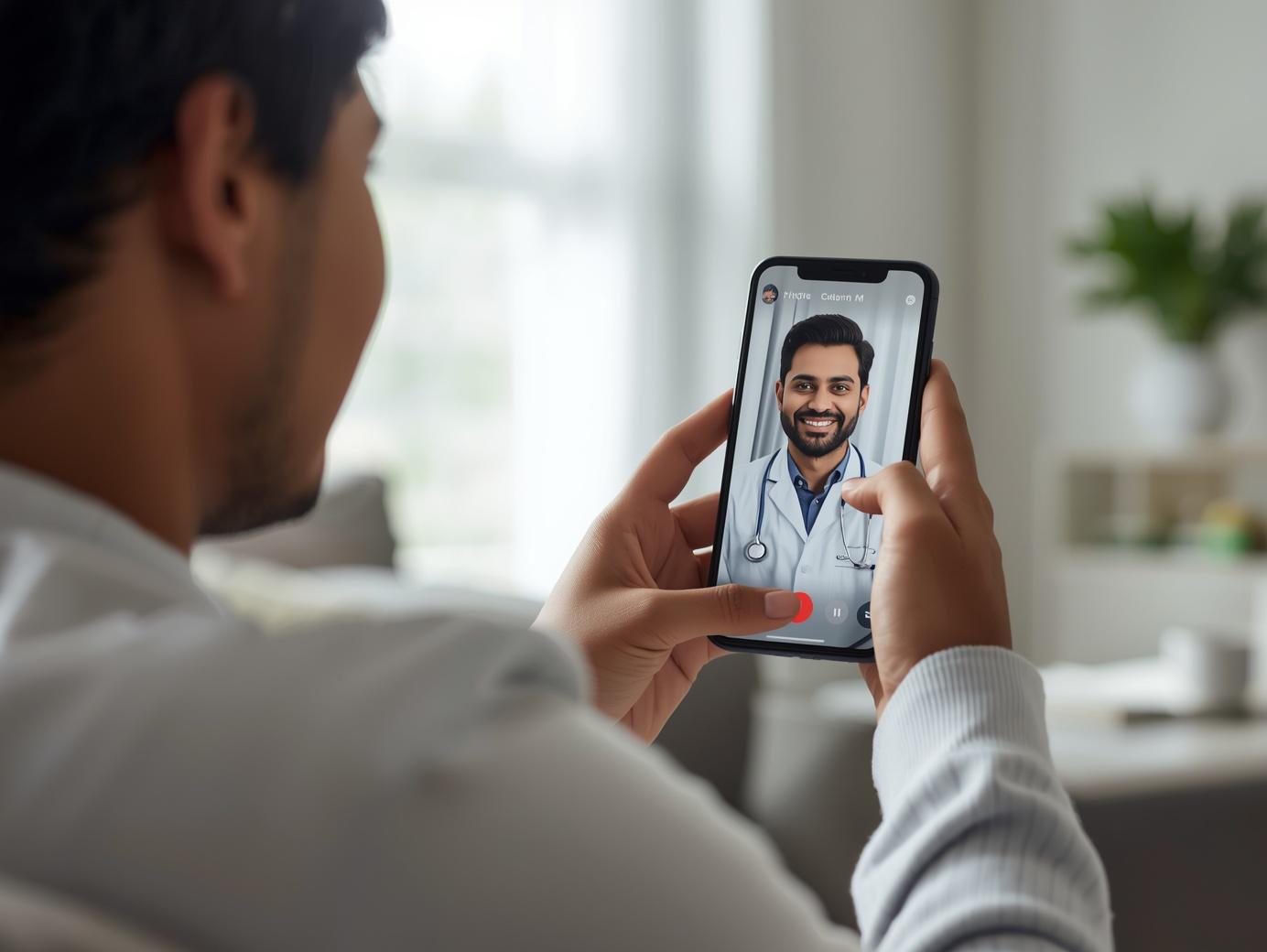
Most people love the idea of talking to a doctor from home. No traveling, no waiting rooms, no rushing across the city. But somewhere in the back of your mind, a small doubt might appear: “Is my information really safe online?” If you’ve ever felt that little worry, you’re not alone. A lot of people hesitate before booking their first telehealth session simply because they don’t know what happens to their medical details behind the scenes. And honestly, it’s a fair question. Your health history is personal. Your conversations with a doctor should stay private. So let’s talk through how telehealth platforms actually protect your information — in simple words, without the tech jargon.
Why Privacy Matters So Much in Telehealth
When you walk into a clinic, you can physically see the doctor closing the door. You can see the walls around you. That visual sense of privacy makes you feel safe.
But online? It’s different. You can’t physically see who’s behind the system or how the data is protected. So your mind assumes the worst — someone listening, someone recording, someone leaking your medical details. And that fear, even if it’s not based on reality, can stop people from trying online consultations.
The interesting part is, once people actually try telehealth, many feel even more comfortable than in clinics. No crowded hallways, no loud conversations at a reception desk, and no staff calling your name with everyone listening. A lot of privacy issues we accept in real life simply don’t exist online.
So, How Exactly Is Your Information Protected?
Telehealth companies know that privacy is not optional. If there’s no trust, there’s no business. So they build their systems with multiple layers of security — some visible to you, and some running quietly in the background.
1. Your calls are encrypted
Think of encryption like speaking in a special language that only you and your doctor understand. Even if someone tried to “tap in,” the video or audio would look like scrambled noise. It’s the same level of security banks use, which says a lot about how strong it is.
2. Your files aren’t stored in random places
Medical reports, photos, or test results are kept on secure servers — not on personal laptops or shared systems. Access is controlled, monitored, and recorded. If someone tries to enter without permission, the system flags it. It’s basically a digital version of a locked medical room, only much harder to break into.
3. Only verified doctors handle your information
Telehealth platforms do background checks. They verify licenses. And yes, they make doctors sign strict confidentiality agreements, just like hospitals. So even on a human level, the wrong pair of eyes don’t get to see your health details.
Are Your Calls Recorded?
This question comes up almost every time someone new tries telehealth.
Short answer: No, your calls are not recorded.
Recording creates huge risk, and reputable telehealth platforms avoid it completely unless a patient gives clear permission (which almost no one asks for). The moment your call ends, it disappears. Only the doctor’s notes remain, just like an in-person visit.
A Small Story to Show What It Really Feels Like
A friend’s mother in Dubai recently tried an online consultation because she couldn’t travel with her knee pain. She was terrified at first and kept asking, “Will someone else hear me?” After the call, she told me something funny: “This was more private than the hospital. Nobody stared at me. Nobody listened when I described my pain.”
Her experience isn’t unusual. For many elderly people, telehealth feels safer because it removes the awkwardness that sometimes happens in clinics — the crowds, the noise, the lack of personal space. Privacy isn’t only about technology. It’s about comfort.
How Telehealth Manages Your Medical Records
Online systems track every login, every change, and every access attempt. So if someone tries to open your file without permission, the system knows immediately. Paper files in hospitals don’t have that kind of protection. They can be misplaced or left open on desks. Digital records reduce those risks.
Here’s what most telehealth platforms avoid:
- selling your data
- sharing your information with advertisers
- giving your medical history to third parties
If a platform does any of these things, it won’t survive long. Patients can spot red flags quickly.
How You Can Boost Your Own Privacy
Even with all these protections, your habits matter too. A few simple things make a big difference:
- Use your personal phone or laptop
- Avoid shared office computers
- Choose a private spot for your consultation
- Don’t share your login with others
- Pick platforms that look transparent and professional
Think of it like choosing the right doctor. You look for someone trustworthy. The same applies here.
So Is Telehealth Actually Safe?
Yes — in many ways, safer than traditional visits. There’s no chance of someone overhearing your conversation in a waiting room. No misplaced files. No reception desk discussing your symptoms loudly. Everything is locked behind secure digital systems that are monitored 24/7.
Once you understand how the system works, the fear reduces. And the convenience starts to feel too good to give up. Telehealth isn’t just about comfort. It’s about protecting your dignity and giving you more control over your health information.
Final Thoughts
Your privacy is not an afterthought in telehealth — it’s the foundation. Every encrypted call, every secure login, every verified doctor is part of a much bigger promise: your health details stay yours. And the more people experience it, the more they realize that telehealth is not just modern, it’s safe, reliable, and built for the way we live today.